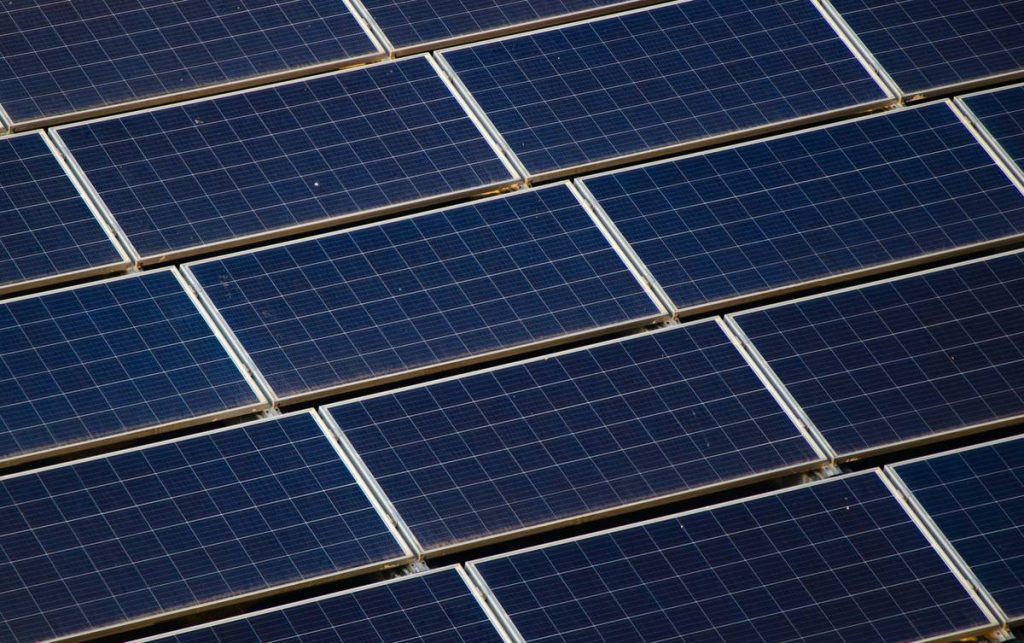
Most homeowners installing solar think “more panels = more power.” They overspend, cram rooftops with mismatched modules, and still suffer blackouts during peak demand. The real issue? Low-efficiency polycrystalline or generic monocrystalline panels that bleed energy on hot days. Here’s the fix: a victron energy monocrystalline solar panel—engineered not just to generate power, but to retain it under stress.
Why Generic Monocrystalline Panels Fail in Real-World Conditions
Monocrystalline sounds premium. But not all are created equal. Many budget brands use low-grade silicon wafers with micro-cracks invisible to the naked eye. These degrade faster—especially when ambient temps exceed 85°F. Efficiency plummets. Output drops by 15–20% within two years. And most installers won’t tell you that panel performance is only half the story. The inverter and charge controller matter just as much. Without Victron’s ecosystem integration, even high-spec panels operate at half-potential.
Think about it: your panel might be rated at 400W. But if your MPPT controller isn’t tuned to its voltage curve? You’re leaving 60W on the table—every single day.
Victron Energy Monocrystalline Solar Panel: Installation & Optimization Guide
Going beyond plug-and-play is non-negotiable if you want true off-grid resilience. Here’s how to maximize ROI from day one:
Match Panel Voltage to Your Battery Bank
Victron’s monocrystalline panels are designed for 24V or 48V systems. Using them on a 12V setup forces the MPPT controller into inefficient down-conversion—wasting up to 10% of harvestable energy. Always verify your system voltage before finalizing the panel spec sheet.
Optimize Tilt and Orientation—Even on Flat Roofs
A flat roof? No excuse. Use adjustable mounting kits to set tilt between 15°–30° depending on latitude. Every 5° off-optimal costs ~3% annual yield. And—this is critical—avoid partial shading like the plague. One shaded cell can drag an entire string down by 30%.
Leverage VictronConnect for Real-Time Tuning
Download the app. Monitor individual panel output hourly. If one consistently lags, it may have a manufacturing defect masked during initial testing. Victron’s firmware allows per-panel diagnostics—a feature absent in 90% of competing systems.

| System Component | Generic Setup (400W) | Victron Ecosystem (400W victron energy monocrystalline solar panel) |
|---|---|---|
| Real-World Daily Yield (Summer) | 1.8 kWh | 2.3 kWh |
| Temperature Coefficient | -0.42%/°C | -0.36%/°C |
| MPPT Tracking Efficiency | 96% | 99.3% |
| Warranty Coverage | 10 years product / 25 years linear output | 12 years product / 30 years linear output |
| Remote Diagnostics | No | Yes — panel-level via VictronConnect |

The Industry Secret: Half-Cut Cells + PERC = Hidden Efficiency Gains
Here’s what sales brochures won’t emphasize: Victron’s latest monocrystalline panels use half-cut PERC (Passivated Emitter and Rear Cell) architecture. Standard panels use full-size cells. Cutting each cell in half reduces resistive losses—because current travels half the distance. Less heat. More voltage stability. And PERC adds a reflective layer on the back that bounces unused photons back into the silicon. That’s how they hit 22.8% module efficiency while competitors stall at 20.5%. But—and this is key—the benefit compounds only when paired with Victron’s SmartSolar MPPT controllers. The algorithm anticipates voltage fluctuations from half-cut strings and adjusts sampling frequency dynamically. Third-party controllers treat them like standard panels and miss micro-opportunities. Bottom line: the hardware matters, but the intelligence behind it matters more.
Frequently Asked Questions
Are Victron Energy monocrystalline solar panels worth the premium?
Yes—if you run off-grid or hybrid systems. Their superior temperature coefficient and MPPT synergy deliver 18–22% more usable energy over 10 years versus generic equivalents. That closes the upfront cost gap fast.
Can I mix Victron panels with other brands?
Technically yes, but don’t. Mismatched IV curves cause MPPT hunting, reducing system-wide harvest. For best results, use identical Victron modules across all strings.
What’s the real lifespan of these panels?
Victron warrants 87% output after 30 years. Field data from European microgrids shows actual degradation closer to 0.25%/year—meaning 92%+ output at year 30. Heat and humidity resistance is top-tier.