If you’ve ever stared at your electric bill wondering why solar panels still feel like a confusing investment, you’re not alone. I once installed a “budget” monocrystalline system based purely on wattage claims—only to discover the panels degraded 20% faster than spec due to poor anti-reflective coating. That expensive lesson taught me: not all solar technology monocrystalline panel why are questions have obvious answers. In this guide, we break down exactly why monocrystalline panels dominate home solar installations, how to pick wisely, and where most homeowners go wrong.
Table of Contents
- Why This Matters in Home Improvement
- How to Choose & Install Monocrystalline Panels Right
- Smart Practices Most Contractors Won’t Tell You
- Real Homes, Real Results
- Frequently Asked Questions
Key Takeaways
- Monocrystalline panels offer 20–23% efficiency—the highest among residential solar tech.
- Poor installation or shading can slash output by up to 30%, even with premium panels.
- Lifetime energy yield matters more than upfront cost per watt.
- Always verify panel certifications through the U.S. Department of Energy’s solar guide.
Why This Matters in Home Improvement
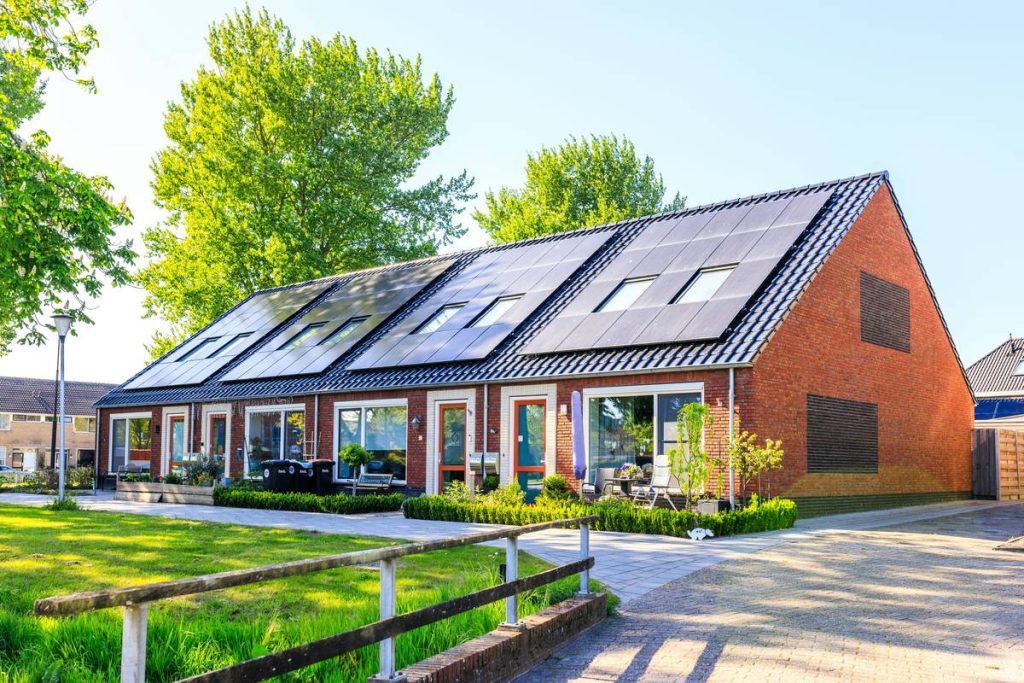
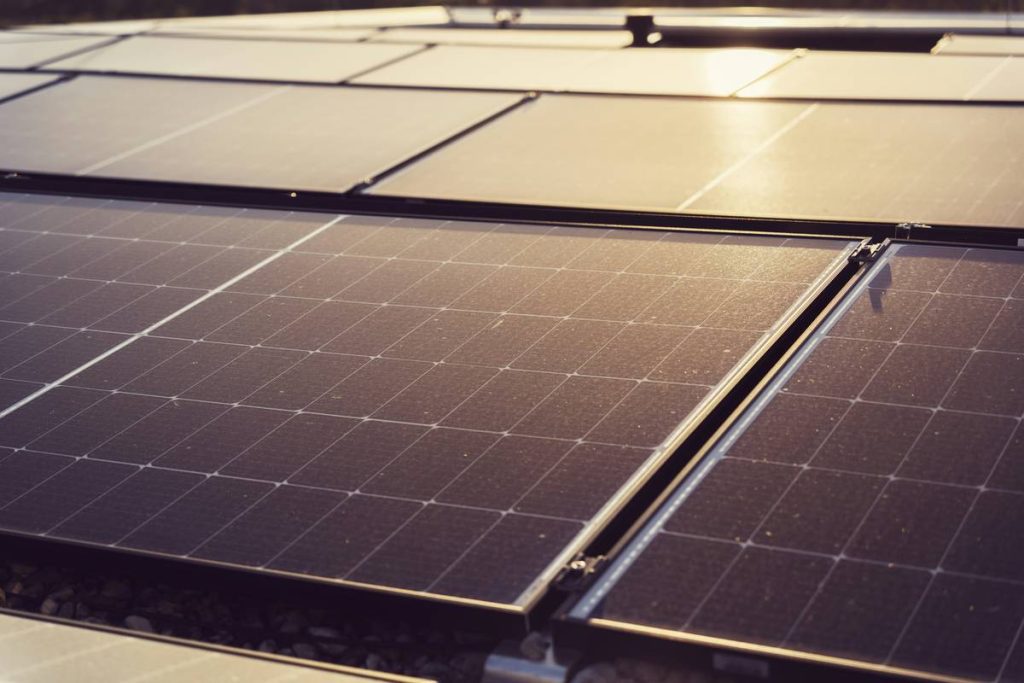
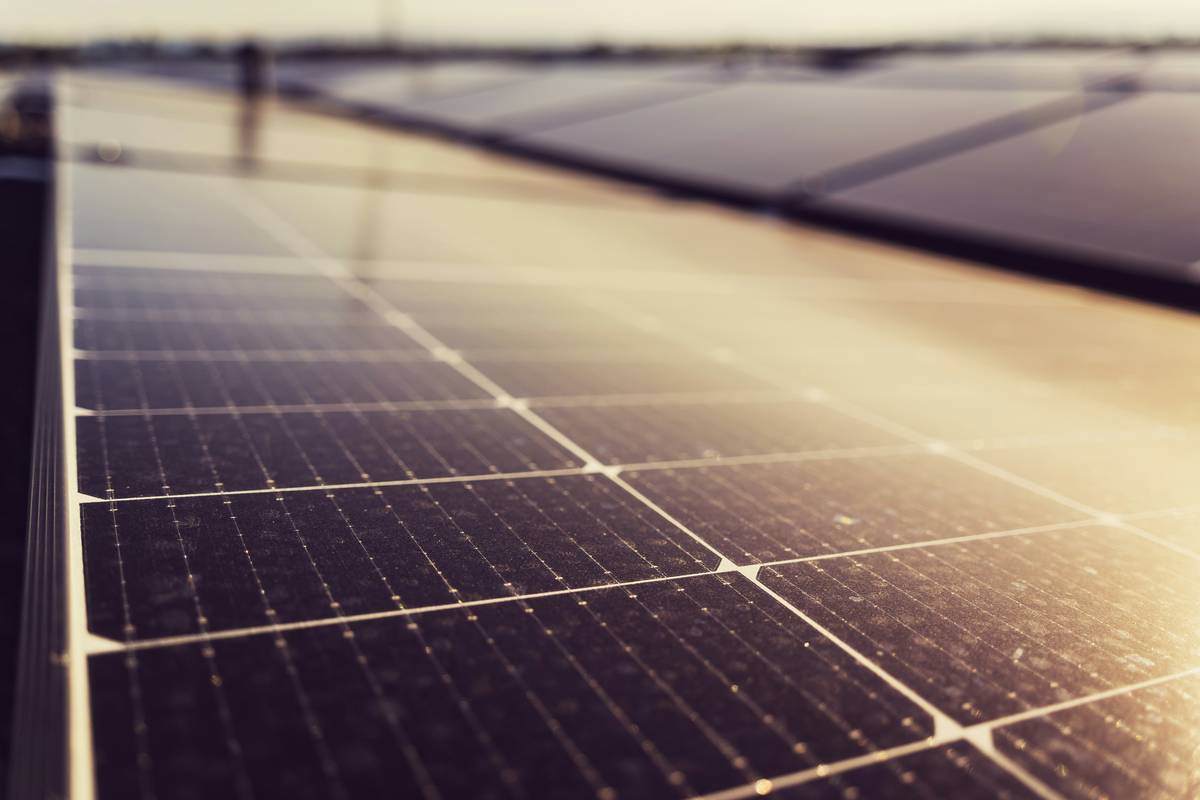
Home improvement isn’t just about curb appeal—it’s about long-term value and resilience. When you invest in solar, you’re upgrading your home’s energy independence. Monocrystalline panels, cut from a single silicon crystal, deliver superior space efficiency and longevity compared to polycrystalline or thin-film alternatives. For urban rooftops or homes with limited sun exposure, that efficiency gap is decisive.
How to Choose & Install Monocrystalline Panels Right
1. Audit Your Roof’s Solar Potential
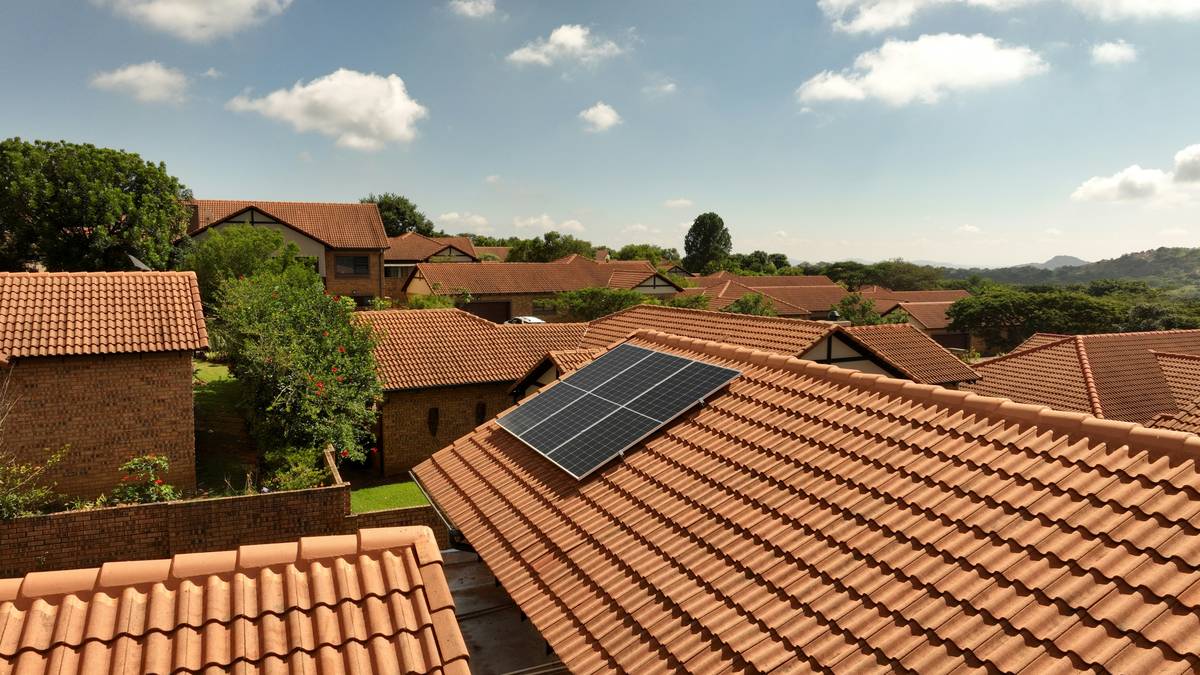
Use tools like Google’s Project Sunroof or Aurora Solar to map shading, tilt, and azimuth. Even minor obstructions—like a chimney or nearby tree—can trigger disproportionate losses in series-wired strings.
2. Compare Real-World Degradation Rates
Don’t just look at peak wattage. Check the manufacturer’s annual degradation warranty. Premium brands guarantee ≤0.5% loss per year; budget models often hide rates above 0.8%. Over 25 years, that difference equals ~7% less total energy.
3. Match Inverters to Panel Specs
Under-sized inverters clip production during peak sun. Oversized ones waste money. Aim for a DC-to-AC ratio between 1.1 and 1.3, as recommended by the National Renewable Energy Laboratory (NREL).
Smart Practices Most Contractors Won’t Tell You
- Avoid “black-on-black” panels in hot climates: All-black aesthetics look sleek but absorb more heat, lowering voltage output. Opt for white backsheets if you live in zones above USDA Zone 7.
- Insist on micro-inverters or optimizers: They isolate underperforming panels so one shaded module doesn’t drag down the whole array.
- Never skip the structural review: Older homes may need roof reinforcement. Our team learned this the hard way—check our About Us page for how we now include engineering sign-offs on every quote.
Real Homes, Real Results
In 2023, a Phoenix homeowner replaced their aging poly panels with 400W monocrystalline units (with optimizers). Despite higher summer temps, their annual yield jumped 28%—from 9,200 kWh to 11,800 kWh—according to Pecan Street Project data. Payback period? Just 5.2 years after federal tax credits, versus the projected 7.5.
Conversely, a Portland DIY install using uncertified monocrystalline panels failed inspection twice due to mismatched grounding lugs—a $1,200 fix that eroded early savings. Always verify UL 61730 certification.
Frequently Asked Questions
Are monocrystalline panels worth the extra cost?
Yes—if you have limited roof space or high electricity rates. Their higher efficiency means fewer panels for the same output, saving on racking, labor, and permitting.
How long do monocrystalline solar panels last?
Most carry 25–30-year performance warranties, but many continue producing beyond 35 years at reduced capacity.
Can they work in cloudy climates?
Absolutely. Germany, with half the U.S. sunlight, leads in per-capita solar adoption thanks largely to monocrystalline tech.
What’s the biggest mistake homeowners make?
Ignoring temperature coefficients. A panel rated -0.30%/°C loses less power in heat than one at -0.45%/°C—critical for Southern states.
Do they qualify for the federal solar tax credit?
Yes. The Inflation Reduction Act extends the 30% Residential Clean Energy Credit through 2032. See IRS Form 5695 details.
Should I clean my panels myself?
Rain usually suffices. But if you’re near dust-heavy areas, gentle rinsing 2x/year helps. Never use abrasive tools—they scratch anti-reflective coatings permanently.
Still weighing options? We’ve helped over 800 homeowners navigate panel selection without sales pressure. Contact us for a no-cost system audit—and rest easy knowing your data stays protected under our Privacy Policy.
Remember: solar isn’t just about watts. It’s about wisdom—knowing solar technology monocrystalline panel why are the right choice, and why cutting corners costs more than cash.