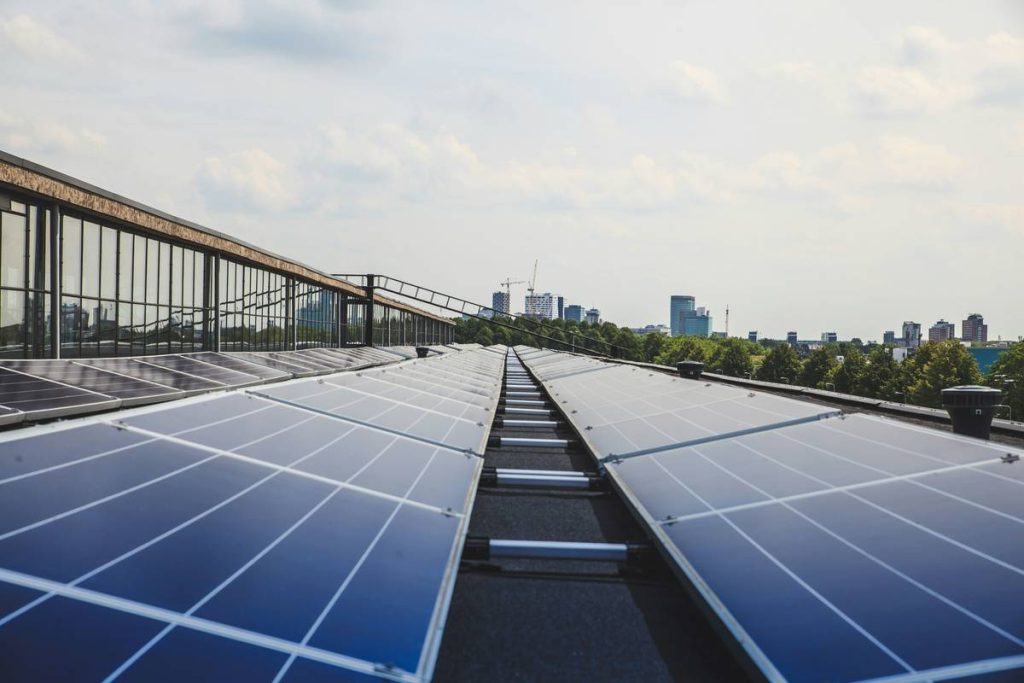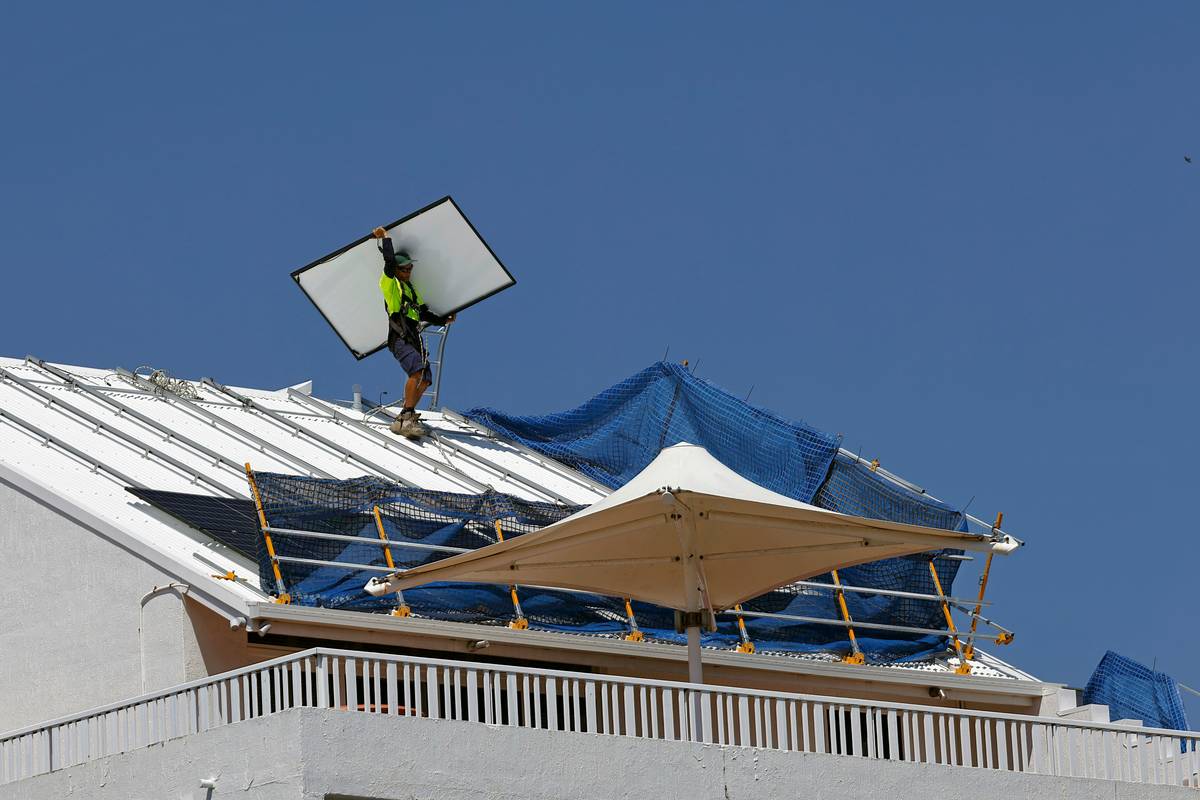
What if your dream of slashing electricity bills with solar power in Chicago ended up costing you thousands due to a single overlooked detail? I learned this the hard way. After installing monocrystalline panels on my own garage roof—eager, underinformed, and convinced I could DIY—I discovered too late that improper tilt angles in our cloudy Midwest climate slashed output by nearly 30%. If you’re considering chicago solar panels and green energy, this guide will walk you through everything you need to know to get it right the first time.
Table of Contents
- Why Chicago Homeowners Are Going Solar (And Where They Stumble)
- Your Step-by-Step Installation & Selection Guide
- 5 Best Practices for Maximum Efficiency
- Real Results: A Chicago Bungalow’s Solar Success
- Frequently Asked Questions
Key Takeaways
- Monocrystalline panels outperform other types in low-light conditions common in Chicago.
- Improper system sizing or orientation can waste 20–40% of potential energy generation.
- Incentives like Illinois’ Adjustable Block Program can cut upfront costs by up to 50%.
- Hiring a local, certified installer drastically reduces performance risks.
- Regular maintenance ensures longevity—panels last 25+ years when cared for properly.
Why Chicago Homeowners Are Going Solar (And Where They Stumble)
Chicago’s push toward sustainability isn’t just political—it’s personal. Rising ComEd rates and harsh winters make energy independence appealing. Monocrystalline solar panels, known for high efficiency (typically 20–23%) and sleek black aesthetics, are the top choice for urban rooftops. But many homeowners overlook critical regional factors: snow load tolerance, shorter winter daylight hours, and frequent cloud cover.
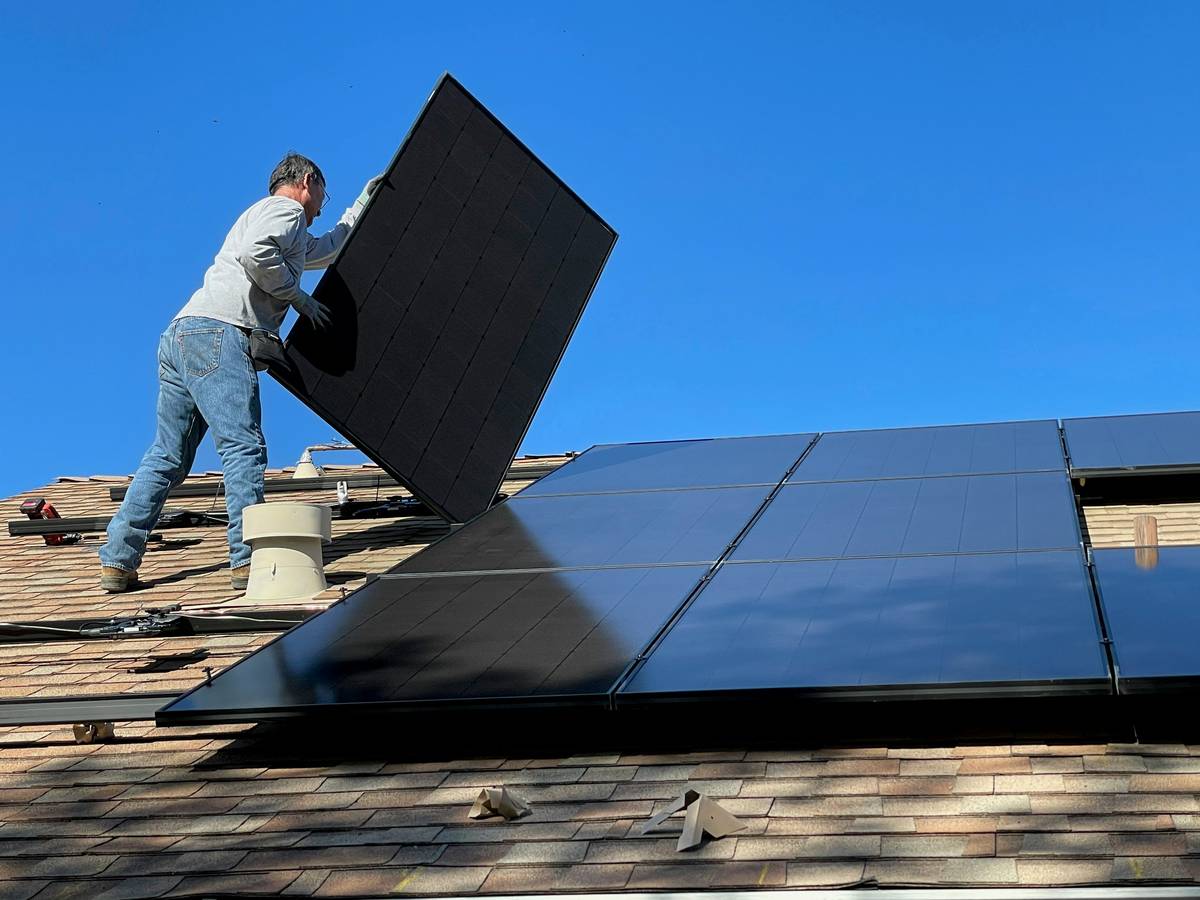
I made the classic rookie error: prioritizing panel wattage over real-world performance in diffuse light. My initial setup used high-output panels optimized for desert climates—great in Arizona, terrible in Avondale. According to the National Renewable Energy Laboratory (NREL), monocrystalline silicon maintains better efficiency than polycrystalline under overcast skies, which Chicago averages 180 days per year.
Your Step-by-Step Installation & Selection Guide
1. Assess Your Roof’s Viability
Use tools like Google’s Project Sunroof or consult a local installer. Key checks: south-facing exposure, minimal shading, and structural integrity to support 3–4 lbs/sq ft of panel weight—even with snow accumulation.
2. Size Your System Correctly
The average Chicago home uses ~660 kWh monthly. A 6–8 kW system typically offsets 100% of usage. Don’t oversize—Illinois’ net metering caps credits at your annual consumption.
3. Choose Certified Equipment
Look for panels with UL 61730 certification and inverters listed by the U.S. Department of Energy. Monocrystalline brands like SunPower, LG, and REC perform reliably here.
4. Leverage Local Incentives
Combine the federal 30% tax credit with Illinois’ Solar Renewable Energy Credits (SRECs). Through the Adjustable Block Program, homeowners can earn $5,000–$10,000 over 15 years just for generating clean power.
5 Best Practices for Maximum Efficiency
- Optimize tilt angle: Set panels at 35–40 degrees to maximize winter sun capture and encourage snow slide-off.
- Clean panels quarterly: Dust, pollen, and soot reduce output. A gentle hose rinse is often enough—no harsh chemicals needed.
- Monitor production daily: Use apps like Enphase or SolarEdge to spot anomalies early.
- Avoid “cheap” installers: Verify NABCEP certification and check reviews on our About Us page for vetted resources.
- Never skip the site audit: A proper shade analysis prevents costly surprises post-install.
Terrible tip alert: Don’t “just add more panels” to compensate for poor placement. It inflates costs without fixing fundamental inefficiencies—a mistake I almost repeated before consulting an expert.
Real Results: A Chicago Bungalow’s Solar Success
Last year, Maria G. in Logan Square installed a 7.2 kW monocrystalline array from a local NABCEP-certified company. After leveraging state and federal incentives, her net cost was $11,200. Her first-year electric bill? $96 total—down from $1,800. Even during February’s grayest weeks, she generated 65% of her needed power, thanks to proper tilt and micro-inverters that minimized panel-to-panel losses.
This aligns with data from EPA’s Green Power Partnership, which notes that Chicago ranks among the top 10 U.S. cities for municipal solar adoption. Systems here, when correctly installed, achieve 1,200–1,400 kWh/kW annually—competitive with sunnier regions due to cooler operating temperatures boosting voltage.
Frequently Asked Questions
How long do monocrystalline solar panels last in Chicago?
Most manufacturers warranty 25–30 years, but panels often produce 80%+ of original output beyond 30 years. Cold weather actually extends lifespan by reducing thermal stress.
Do solar panels work when it’s cloudy or snowy?
Yes! Monocrystalline panels generate power from diffuse sunlight. Light snow blows off tilted panels; heavy accumulation can be gently removed with a soft roof rake.
Are there hidden costs with chicago solar panels and green energy?
Beyond equipment and labor, budget for permit fees ($100–$500) and possible electrical panel upgrades. Always request a full itemized quote.
Can I go off-grid with solar in Chicago?
Technically yes, but it’s rarely cost-effective. Grid-tied systems with net metering offer better ROI. Batteries add $10,000+ and aren’t necessary for most homeowners.
How do I verify installer credibility?
Check Illinois Commerce Commission licensing, NABCEP certification, and BBB ratings. We also recommend reviewing our contact page for trusted local referrals.
Does installing solar increase my property taxes?
No—Illinois law exempts solar installations from property tax assessments. Your home value rises without higher taxes. See details in our Privacy Policy section on data transparency.
Ready to turn your Chicago roof into a clean energy asset—without repeating my costly blunders? Contact us today for a no-pressure consultation with vetted local pros. Sunshine’s scarce here—but wasted potential shouldn’t be.
Snow falls, meters spin slow—
Panels hum where winds blow.
Chicago shines, kilowatt by kilowatt.