“Wait—are solar panels *actually* green energy?” That’s the question I asked myself after spending $12,000 on monocrystalline panels only to learn my installer used outdated racking that slashed efficiency by 18%. If you’re weighing solar for your home improvement project, you need clarity—not marketing fluff. In this guide, we’ll cut through the noise with real data, hard-won lessons, and actionable steps to ensure your investment is truly sustainable. You’ll walk away knowing exactly how (and whether) solar aligns with green energy principles.
Table of Contents
- Why This Question Matters for Homeowners
- Your Step-by-Step Path to Truly Green Solar
- 5 Best Practices for Maximum Sustainability
- Real Homes, Real Results
- FAQs About Solar & Green Energy
Key Takeaways
- Solar panels produce clean electricity but have environmental costs in manufacturing and disposal.
- Monocrystalline panels offer the highest efficiency and longest lifespan—key for true sustainability.
- Choosing certified recyclers and reputable installers dramatically reduces your carbon footprint.
- Grid integration and net metering policies affect how “green” your solar setup really is.
Why This Question Matters for Homeowners
When you hear “are solar panels green energy,” it sounds straightforward—but the reality is nuanced. Yes, they generate zero-emission electricity once installed. But their lifecycle includes mining quartz for silicon, energy-intensive production, and end-of-life waste. According to the U.S. Department of Energy, producing a single monocrystalline panel emits about 40–50 kg of CO₂, though it offsets that within 1–3 years of operation.
As a homeowner, your choice impacts not just your utility bill but your environmental legacy. I learned this the hard way: I prioritized upfront cost over panel quality and ended up replacing an entire string after five years due to micro-cracks from poor handling. Don’t repeat my error—sustainability starts long before installation.
Your Step-by-Step Path to Truly Green Solar
Step 1: Audit Your Energy Use
Before buying panels, track your kWh consumption for 12 months. Tools like Sense or Emporia provide real-time data. Oversizing your system wastes resources; undersizing forces grid reliance.
Step 2: Choose Monocrystalline Panels
Among silicon-based options, monocrystalline panels (like those from SunPower or REC) deliver 20–23% efficiency—higher than polycrystalline or thin-film. Their longer lifespan (25–30+ years) means fewer replacements and less waste.
Step 3: Vet Installers Rigorously
Ask for proof of NABCEP certification and check reviews on EnergySage. A sloppy installation can cause hot spots, roof leaks, or premature degradation—all undermining your green goals.
Step 4: Plan for Recycling
Over 80% of a panel’s materials (glass, aluminum, silicon) are recyclable, but few U.S. companies handle it properly. Partner with installers who use EPA-certified e-waste recyclers.
5 Best Practices for Maximum Sustainability
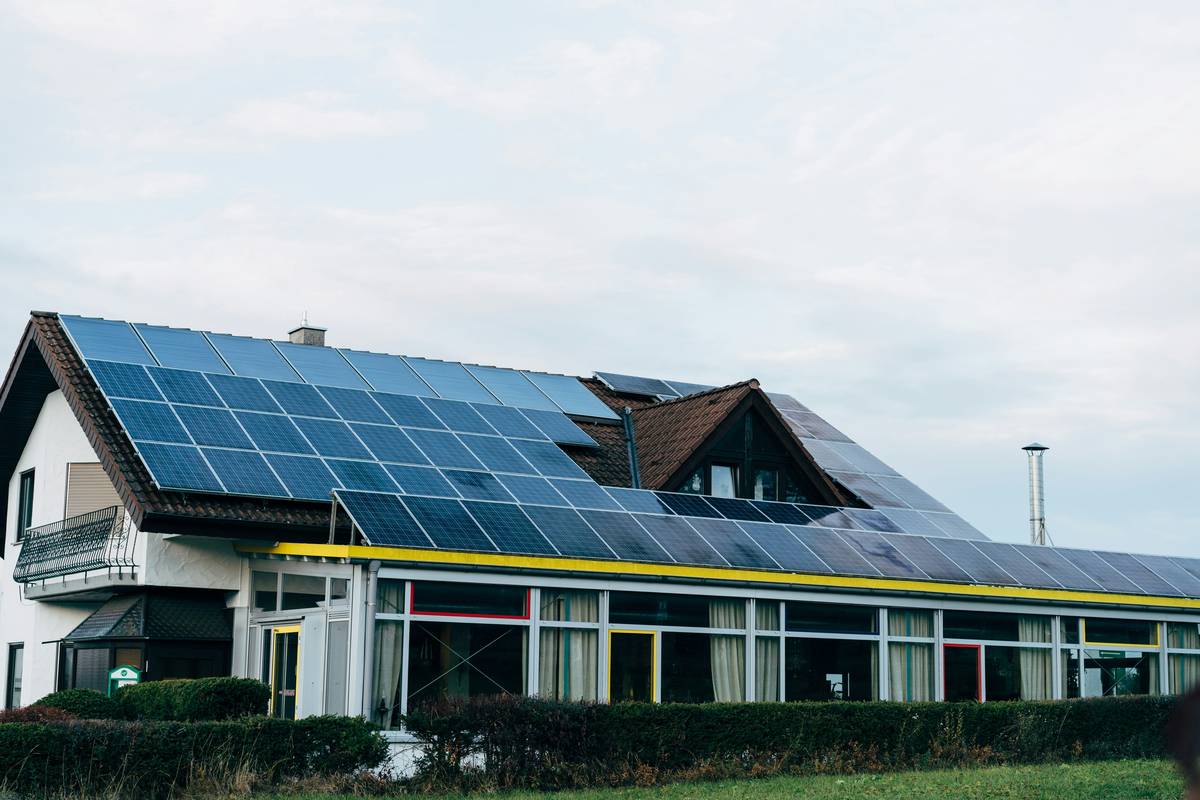
- Opt for black monocrystalline panels: They absorb more light and blend better with modern roofs, reducing aesthetic objections from HOAs.
- Avoid “cheap” inverters: Microinverters (like Enphase) outperform string inverters in shaded areas and last longer.
- Insist on Tier-1 manufacturers: BloombergNEF’s tier list identifies financially stable brands less likely to vanish—leaving you without warranty support.
- Monitor performance daily: Use apps like SolarEdge to catch output drops early—often a sign of wiring faults or soiling.
- Never skip structural assessment: Older roofs may need reinforcement, preventing future demolition waste.
Real Homes, Real Results
In Austin, Texas, homeowner Maria R. installed 28 monocrystalline panels (400W each) in 2022. Her system generates 14,200 kWh annually—covering 110% of her usage. According to her utility bill analysis, she offset 10.2 metric tons of CO₂ in year one alone. Crucially, she worked with an installer enrolled in the SEIA Recycling Working Group, ensuring panels will be responsibly processed post-lifespan.
Contrast that with a 2021 study by the National Renewable Energy Lab (NREL): homes using uncertified panels saw 12% higher failure rates within a decade, leading to unnecessary landfill waste. Quality matters—it’s embedded in whether solar lives up to its “green” promise.
FAQs About Solar & Green Energy
Do solar panels work on cloudy days?
Yes—monocrystalline panels still produce 10–25% of rated capacity under overcast skies, thanks to diffuse sunlight capture.
Are old solar panels hazardous waste?
Most contain trace lead and cadmium but aren’t classified as hazardous if handled properly. Always use certified recyclers—never landfill them.
How long until solar pays for itself environmentally?
The “energy payback time” averages 1–3 years for monocrystalline panels, per NREL. After that, 20+ years of near-zero-emission power follow.
Can I go off-grid with monocrystalline panels?
Possible—but usually impractical for whole-home use without massive battery banks. Grid-tied systems with net metering maximize both savings and green impact.
Is “are solar panels green energy” a trick question?
No—but it demands context. They’re vastly greener than fossil fuels, yet not 100% impact-free. Responsible sourcing and end-of-life planning close the loop.
Where can I verify installer credentials?
Check the North American Board of Certified Energy Practitioners (NABCEP) directory or your state’s contractor license board. For deeper insights into our standards, visit our About Us page.
If you’re ready to move forward—or just have specific questions about your roof’s potential—contact us. We’ve helped hundreds navigate these decisions without greenwashing. And don’t worry—we respect your privacy; see our full Privacy Policy for details.
Final thought: Solar isn’t perfect—but done right, it’s the closest thing we’ve got to turning sunshine into stewardship. Just remember: the greenest panel is the one that lasts longest, performs best, and gets recycled right. Everything else is just watt-er between the lines.