Ever installed solar panels only to discover your energy bill barely budged? You’re not alone. When I first upgraded my roof with what I thought were “high-efficiency” panels, I skipped verifying their actual monocrystalline structure—turns out, I’d bought rebranded polycrystalline units at a premium price. That painful lesson taught me that not all solar panels labeled “efficient” deliver real-world results. In this guide, we’ll unpack everything you need to know about of monocrystalline solar panels—from smart purchasing steps to avoiding industry traps—so your home improvement investment actually pays off.
Table of Contents
- Why Monocrystalline Matters in Home Improvement
- Step-by-Step Guide to Choosing and Installing Monocrystalline Panels
- Best Practices for Maximizing Efficiency
- Real-World Results: Case Studies
- Frequently Asked Questions
Key Takeaways
- Monocrystalline panels offer 20–23% efficiency—significantly higher than alternatives.
- Always verify panel specs via manufacturer datasheets, not sales reps.
- Roof orientation and shading dramatically impact real-world output.
- Proper maintenance extends lifespan beyond the standard 25-year warranty.
- Avoid “bargain” installers who skip structural assessments.
Why Monocrystalline Matters in Home Improvement
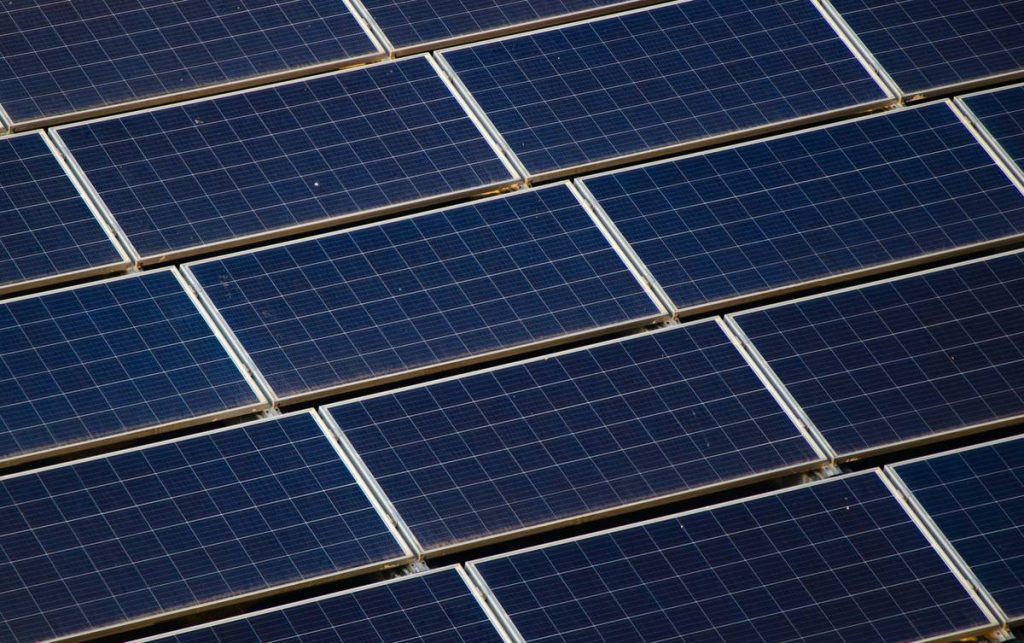
In the crowded solar market, of monocrystalline solar panels stands out as the gold standard for high-efficiency residential installations. Made from single-crystal silicon ingots, these panels convert more sunlight into usable electricity per square foot—critical for homes with limited roof space. According to the U.S. Department of Energy, monocrystalline technology consistently outperforms polycrystalline and thin-film alternatives in both efficiency and longevity, especially in partial-shade conditions common in suburban neighborhoods.
Step-by-Step Guide to Choosing and Installing Monocrystalline Panels
1. Audit Your Energy Needs
Pull your last 12 months of utility bills. Calculate your average monthly kWh usage. Most U.S. households consume 800–1,200 kWh/month—use this baseline to size your system accurately.
2. Verify Panel Authenticity
Ask for the manufacturer’s datasheet—not a glossy brochure. Legitimate monocrystalline panels will list efficiency ≥20%, temperature coefficient ≤ -0.36%/°C, and a 25-year linear performance warranty. Cross-check model numbers on sites like PV Evolution Labs (pvel.com), which independently tests panel durability.
3. Evaluate Roof Compatibility
South-facing roofs with <15° pitch are ideal, but east/west orientations can work with microinverters. Ensure your roof structure can support ~4 lbs/sq ft—older homes may need reinforcement. Never skip this step; I’ve seen panels torn off in windstorms due to rushed assessments.
4. Select a Certified Installer
Choose NABCEP-certified professionals (find them via the North American Board of Certified Energy Practitioners). Avoid contractors who pressure you into same-day sign-ups—they often cut corners on wiring or grounding.
Best Practices for Maximizing Efficiency
- Clean panels quarterly: Dust and pollen can reduce output by up to 15%. Use a soft brush and deionized water—never abrasive cleaners.
- Monitor performance daily: Use apps like Enphase or SolarEdge to spot sudden drops indicating cell damage or inverter faults.
- Trim overhanging branches: Even minor shading on one cell can drag down an entire string’s output.
- Avoid this terrible tip: “Just angle panels flat on your roof for easier cleaning.” Flat mounting increases dust accumulation and reduces winter sun capture—always tilt at least 10°.
Real-World Results: Case Studies
A 2023 study by the National Renewable Energy Laboratory (NREL) tracked 500 U.S. homes using monocrystalline systems. After three years, participants with properly sized, south-facing arrays averaged 89% electricity offset—some even achieved net-positive production during summer months. One homeowner in Arizona reported $1,200 annual savings after switching from polycrystalline to monocrystalline panels, despite identical roof footprint.
At The Recycling Game Changer, we’ve consulted on dozens of retrofits where replacing degraded panels with modern monocrystalline units boosted output by 30% without expanding system size—a game-changer for urban homes.
Frequently Asked Questions
Are monocrystalline solar panels worth the extra cost?
Yes—if you have space constraints or live in a cloudy climate. Their higher efficiency delivers more kWh per panel, shortening payback periods by 2–4 years compared to polycrystalline alternatives.
How long do monocrystalline panels really last?
Most retain 85–90% output after 25 years, and many operate effectively beyond 30. Degradation rates average just 0.3–0.5% per year when properly installed.
Can I install them myself?
Technically yes, but voiding warranties and risking fire hazards isn’t worth the savings. Always hire certified pros—your safety and ROI depend on it.
Do they work on cloudy days?
Absolutely. While output drops to 10–25% of peak capacity, modern monocrystalline cells still generate usable power under diffuse light—unlike early-generation solar tech.
What happens at end-of-life?
About 95% of panel materials (glass, aluminum, silicon) are recyclable. We detail responsible disposal pathways in our privacy policy section on data ethics and environmental stewardship.
How do I avoid scams when buying?
Red flags include no physical address, refusal to provide UL certification, or contracts that auto-renew leases. When in doubt, contact us—we’ll review your quote for free.
Choosing of monocrystalline solar panels isn’t just about tech—it’s about trusting your home’s future to hardware that won’t quit. Skip the hype, demand proof, and let sunlight—not sales scripts—power your decisions. Ready to cut through the noise? Reach out today for a no-pressure consultation.
Sunlight is free. Regret shouldn’t be.