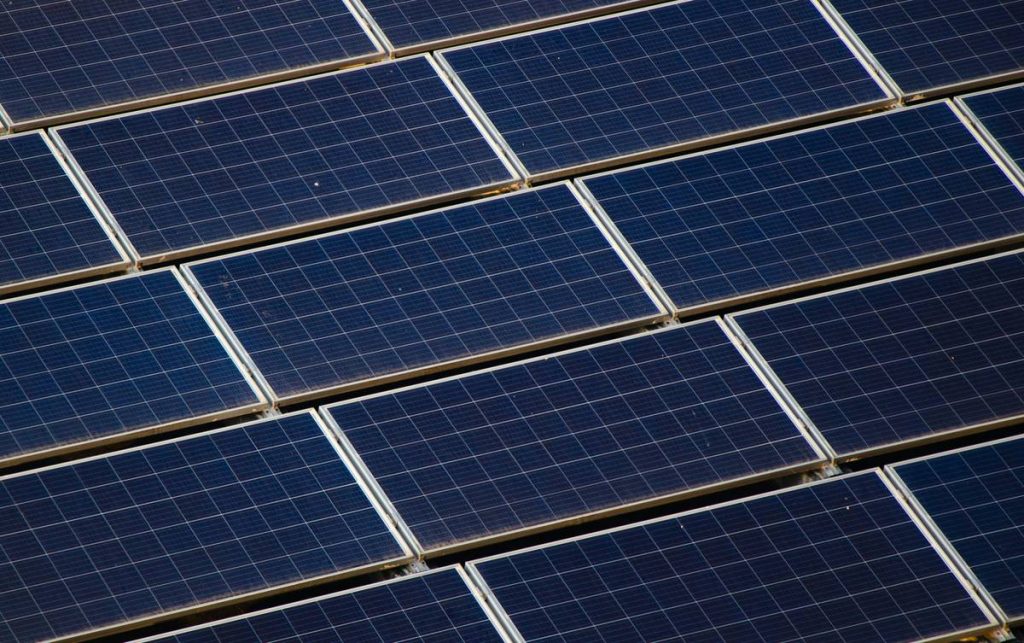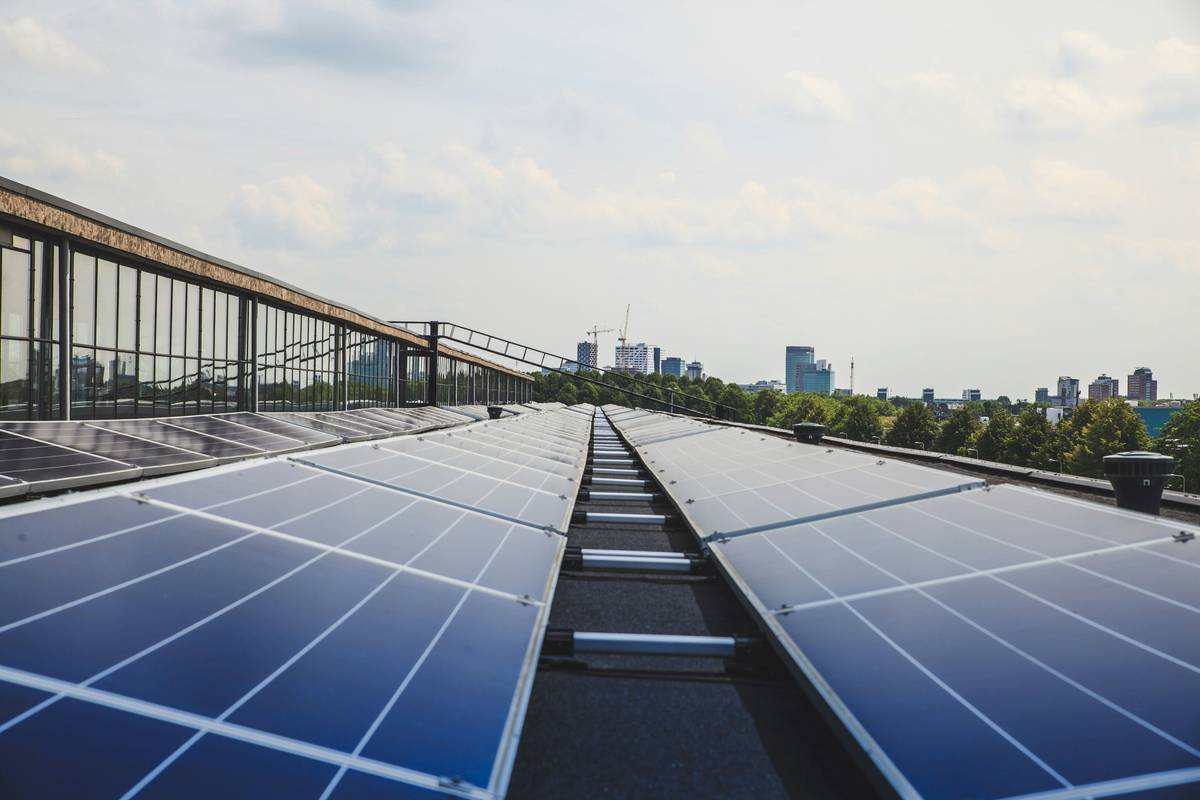
Your electric bill climbs. Grid outages multiply. And “green” promises from utilities ring hollow. You want real control—clean, reliable power that slashes costs and future-proofs your home. Enter monocrystalline solar panels: the quiet powerhouse behind true solar panels green energy independence.
Why Most Solar Setups Underperform (And Waste Your Money)
Not all solar is created equal. Slap polycrystalline or thin-film panels on your roof expecting miracles? Good luck. They degrade faster, occupy more space, and choke in low-light conditions. Monocrystalline panels? Different story. Cut from a single silicon crystal—they convert sunlight with near-surgical precision. Yet most homeowners never ask about cell architecture. They chase cheap quotes, not lifetime value.
And here’s the kicker: installers often push whatever’s in stock, not what’s optimal for your roof pitch, shading, or local climate. Efficiency isn’t just a spec—it’s your ROI engine.
How to Install High-Performance Monocrystalline Solar Panels—The Right Way
Forget cookie-cutter advice. Real-world solar success hinges on three non-negotiables: panel selection, micro-inverter pairing, and tilt calibration. Get these wrong, and even premium hardware underdelivers.
Selecting the Right Monocrystalline Panels
Look beyond wattage. Check temperature coefficient (lower is better) and degradation rate (≤0.5% per year). Brands like SunPower Maxeon or REC Alpha Pure lead here—not because of marketing, but physics.
Micro-Inverters vs. String Inverters
Shading from a chimney or tree? String inverters drag your whole array down. Micro-inverters (like Enphase IQ8) optimize each panel individually. Yes, they cost more upfront. But over 25 years, they yield 12–18% more energy in real-world conditions.
Optimal Tilt and Orientation
In the U.S., true south at an angle equal to your latitude maximizes annual yield. But if you’re grid-tied with time-of-use billing? Tilting slightly west can capture peak afternoon sun—and higher credit rates. It’s not theory. It’s arbitrage.
| Feature | Monocrystalline | Polycrystalline | Thin-Film |
|---|---|---|---|
| Average Efficiency | 20–23% | 15–17% | 10–13% |
| Lifespan | 25–30+ years | 20–25 years | 10–20 years |
| Space Required (per kW) | ~65 sq ft | ~80 sq ft | ~100+ sq ft |
| Performance in Heat | Best-in-class | Moderate loss | Poor |
The Industry Secret: Why Panel Warranties Lie (And What Really Matters)
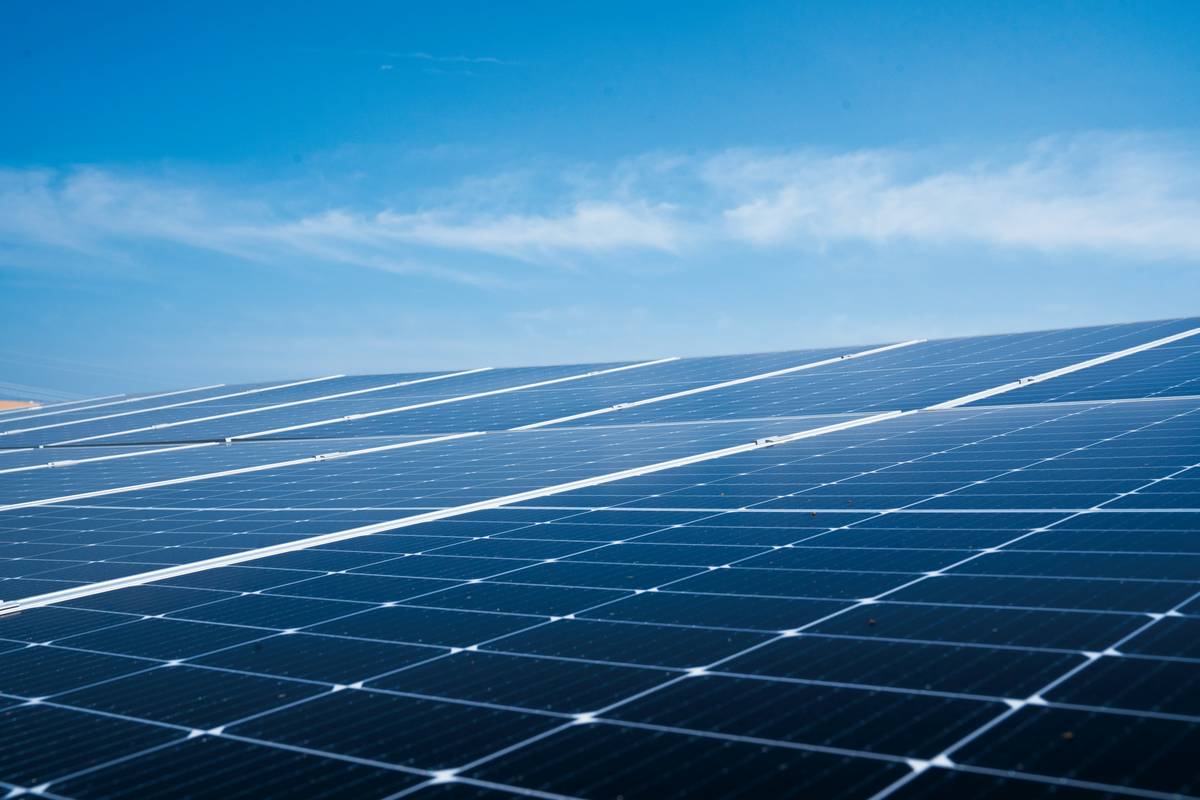
Manufacturers tout 25-year product warranties. Sounds solid—until you read the fine print. Most only cover catastrophic failure, not gradual power loss. The real metric? Performance warranty. Top-tier monocrystalline panels guarantee 92% output after 25 years. Budget brands? Often 80–82%. That 10% gap equals thousands in lost savings.
Here’s what installers won’t tell you: panel longevity depends more on the encapsulation quality than the cells themselves. Moisture ingress kills panels—not sun exposure. Look for double-glass or reinforced backsheets with UV-resistant EVA. That’s where the durability battle is won.
Frequently Asked Questions
Are monocrystalline solar panels worth the extra cost?
Yes—if you have limited roof space or live in a hot climate. Their higher efficiency and heat tolerance deliver more kWh over time, offsetting upfront costs within 5–7 years.
Do solar panels work on cloudy days?
They do—but output drops to 10–25% of capacity. Monocrystalline panels outperform others here due to superior low-light response. Pair them with battery storage for consistent supply.
How long do monocrystalline solar panels last?
Most operate efficiently for 25–30 years. Many continue producing beyond 30 years at reduced output—especially with quality encapsulation and proper mounting.