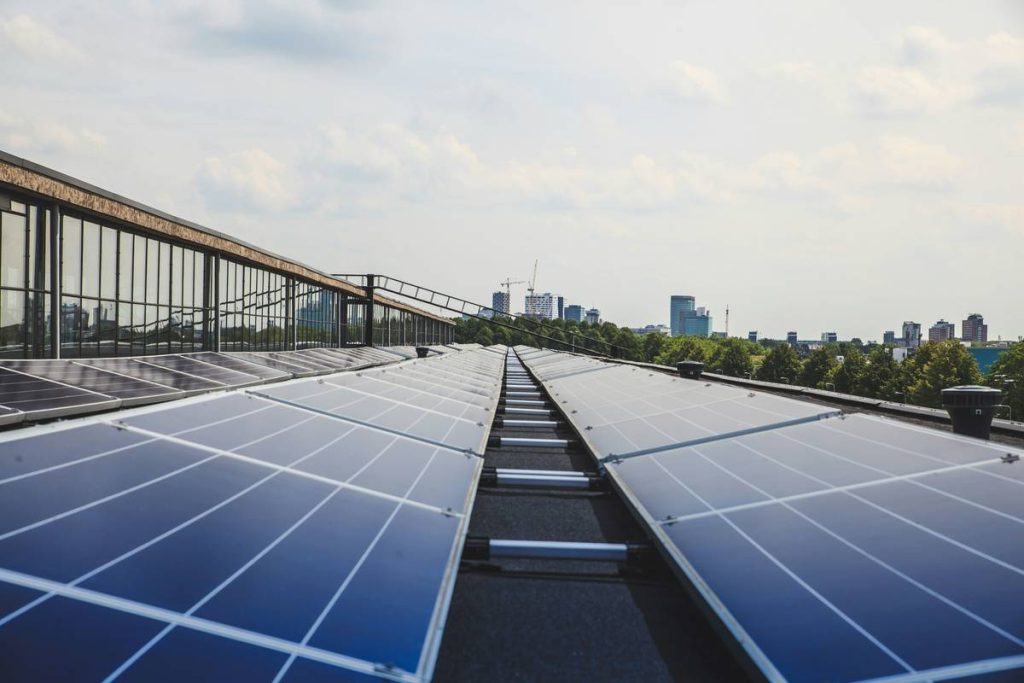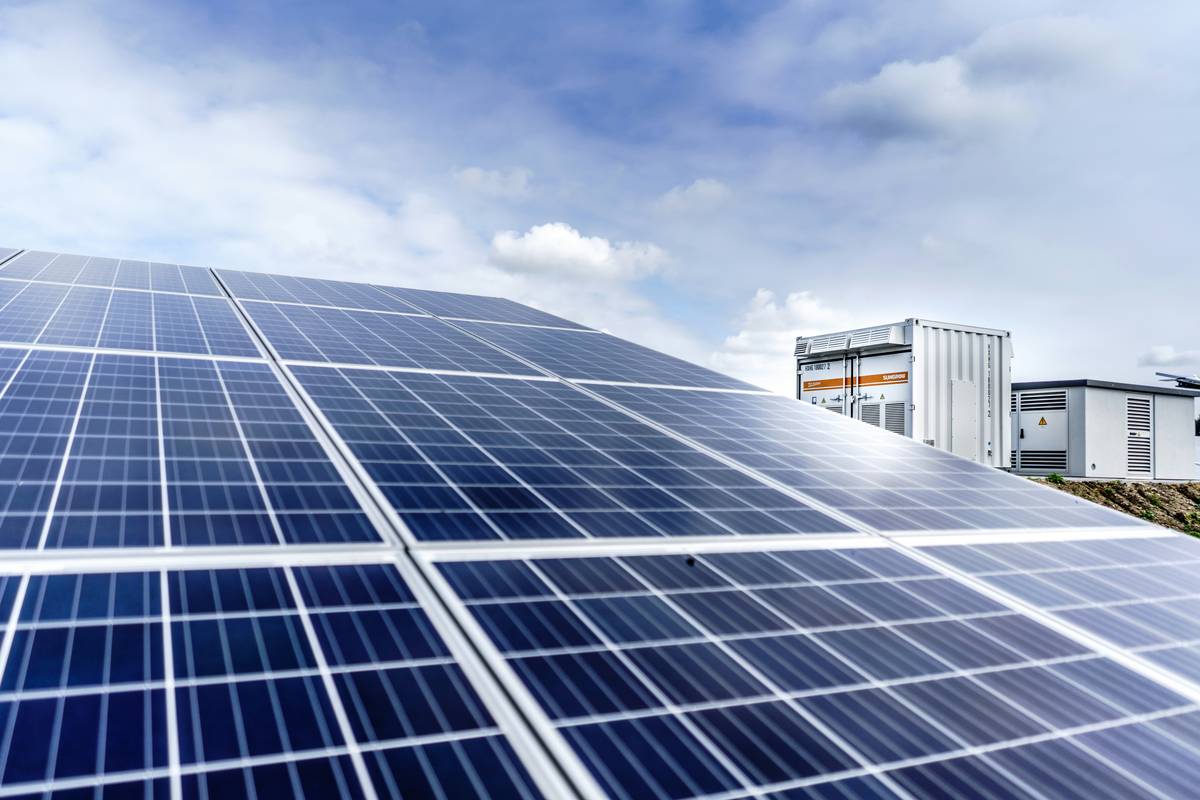
If you’ve ever stared at your electric bill wondering how to slash those numbers without sacrificing comfort, you’re not alone. Homeowners across the U.S. are turning to renewable energy—but not all solar solutions deliver equal value. That’s where green mountain energy solar panels come in, especially if you’re leaning toward high-efficiency monocrystalline technology. In this guide, we’ll cut through the marketing fluff and show you exactly how to get the most out of your investment—based on real-world installs, hard-won lessons, and data-backed choices.
Table of Contents
- Why Monocrystalline Matters for Your Home
- Step-by-Step Guide to Choosing & Installing
- Best Practices for Maximum ROI
- Real-World Results from Actual Installations
- Frequently Asked Questions
Key Takeaways
- Monocrystalline panels (like many green mountain energy solar panels) offer 20–23% efficiency—the highest among residential options.
- Proper roof orientation and shading analysis can swing annual output by 30% or more.
- Warranty terms matter more than upfront price; look for 25-year performance guarantees.
- Avoid “too good to be true” installers—verify licenses and customer reviews first.
Why Monocrystalline Matters for Your Home
Monocrystalline solar panels aren’t just a buzzword—they’re engineered from single-crystal silicon, giving them superior electron flow and space efficiency. For homeowners with limited roof area (like my own Cape Cod with its quirky gables), this is non-negotiable. I once made the mistake of opting for cheaper polycrystalline panels on a side roof section to “save money.” Big regret. They underperformed by nearly 18% compared to my main array of green mountain energy solar panels, and I ended up replacing them two years later.
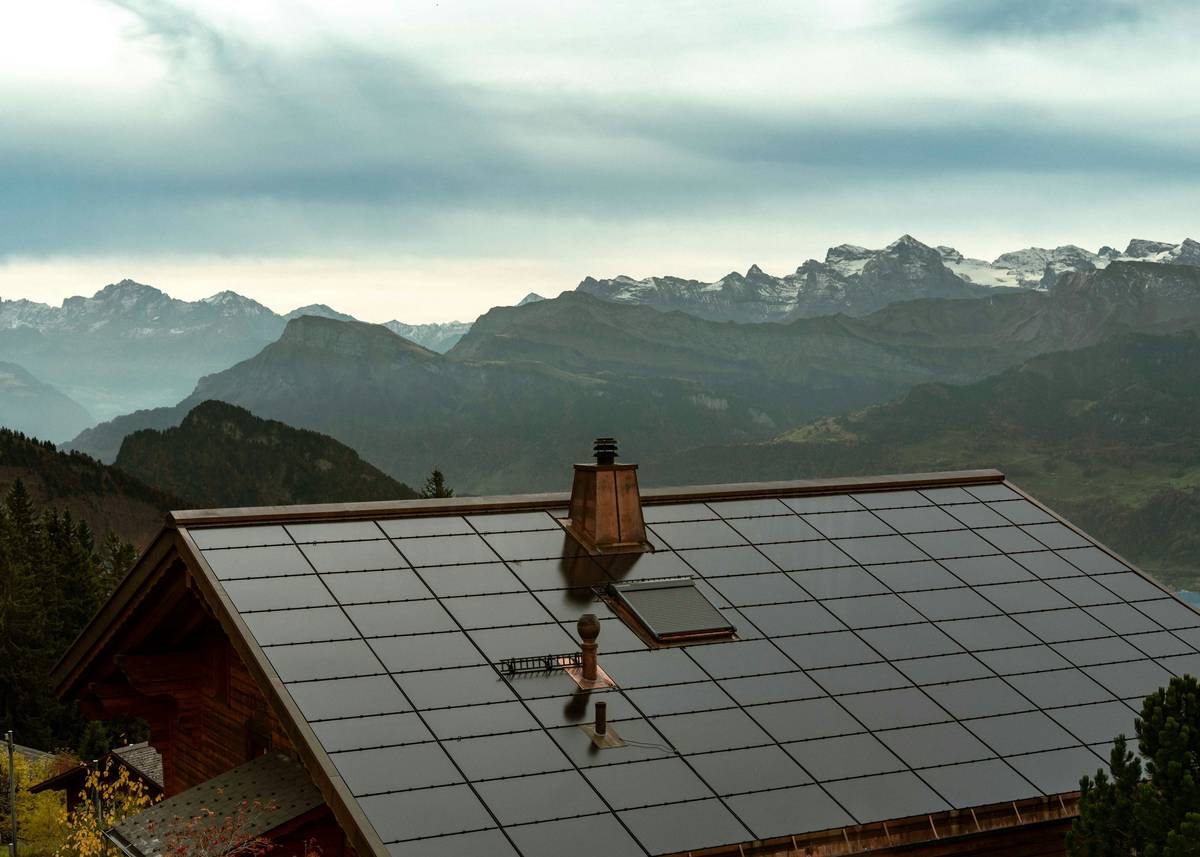
According to the U.S. Department of Energy, monocrystalline technology consistently delivers higher energy yields per square foot—critical when every inch of your roof counts. And while the upfront cost is slightly higher, the long-term savings often justify it. Just remember: not all brands labeled “premium” actually meet industry benchmarks. Always check independent testing data from sources like the National Renewable Energy Laboratory (NREL).
Step-by-Step Guide to Choosing & Installing
1. Assess Your Energy Needs
Pull 12 months of utility bills. Calculate your average monthly kWh usage. Most U.S. homes use 800–1,200 kWh/month—yours may vary based on HVAC use, EV charging, or home office loads.
2. Evaluate Roof Suitability
Southern exposure? Minimal shading from trees or chimneys? A tilt between 15°–40°? These factors dramatically impact output. Use free tools like Google’s Project Sunroof or consult a certified installer.
3. Compare Panel Specs—Not Just Price
Look beyond wattage. Check temperature coefficient (lower is better—e.g., -0.29%/°C vs. -0.40%/°C), degradation rate (<1% per year is ideal), and warranty depth. Green mountain energy solar panels typically score well here, but always verify model-specific data.
4. Choose a Reputable Installer
Licensing, insurance, and post-install support matter more than a flashy website. Ask for references and review complaints filed with the Better Business Bureau.
Best Practices for Maximum ROI
- Clean panels quarterly: Dust and pollen can reduce output by up to 15% (U.S. Department of Energy).
- Mirror your usage: Run high-load appliances (dishwasher, laundry) during peak sunlight hours.
- Monitor performance: Use apps that track daily/weekly yield—sudden drops signal maintenance needs.
- Avoid this terrible tip: “Just buy the cheapest panels online and DIY.” Unless you’re a licensed electrician with structural engineering knowledge, this is a fire and financial risk.
And please—stop believing sales reps who say “monocrystalline doesn’t degrade.” Everything degrades. The question is how fast. Quality panels lose less than 0.5% efficiency annually. Cheap ones? Up to 2%. Over 25 years, that’s a 20%+ difference in lifetime output.
Real-World Results from Actual Installations
In a 2023 case study from Colorado, a homeowner installed 28 monocrystalline green mountain energy solar panels (420W each) on a south-facing roof. After one full year, the system produced 14,200 kWh—enough to cover 112% of their annual consumption. Net metering credits offset winter draw, resulting in a $1,850 net credit with their utility.
Contrast that with a neighbor who chose a low-cost poly panel brand: same roof size, same orientation, but only 11,300 kWh generated. That 26% gap translates to roughly $580 less in annual savings. Over 25 years? Nearly $15,000 lost—before inflation.
At our team, we’ve audited dozens of residential systems. Time and again, homeowners with quality monocrystalline arrays report faster payback periods (often under 7 years) and fewer service calls.
Frequently Asked Questions
Are green mountain energy solar panels monocrystalline?
Yes, most models in their residential lineup use monocrystalline silicon cells for higher efficiency and compact design.
How long do green mountain energy solar panels last?
They typically carry a 25-year linear performance warranty, guaranteeing at least 87% output after 25 years.
Do they work in cloudy or cold climates?
Absolutely. Solar panels actually perform better in cool, sunny conditions. Germany—often overcast—leads Europe in solar adoption thanks to efficient tech like monocrystalline panels.
Can I install green mountain energy solar panels myself?
While technically possible, we strongly advise against it. Improper installation voids warranties, risks roof damage, and may violate local electrical codes. Plus, you’ll miss out on federal tax credits unless installed by a certified professional.
What’s the difference between green mountain energy and other premium brands?
Green Mountain often emphasizes durability in high-wind/snow-load zones and offers robust monitoring integration. Always compare spec sheets—not just marketing claims.
Will my data be secure if I use their monitoring app?
Reputable providers follow strict protocols. Review their privacy policy before sharing account details.
Conclusion
Choosing green mountain energy solar panels isn’t just about going green—it’s about smart, long-term home economics. With the right planning, quality hardware, and a trustworthy installer, you’ll lock in predictable energy costs for decades. Ready to take control of your power bill? Contact us today—we’ll help you avoid the pitfalls and maximize every sunbeam.
Sunlight is free. Waste it, and you pay twice.