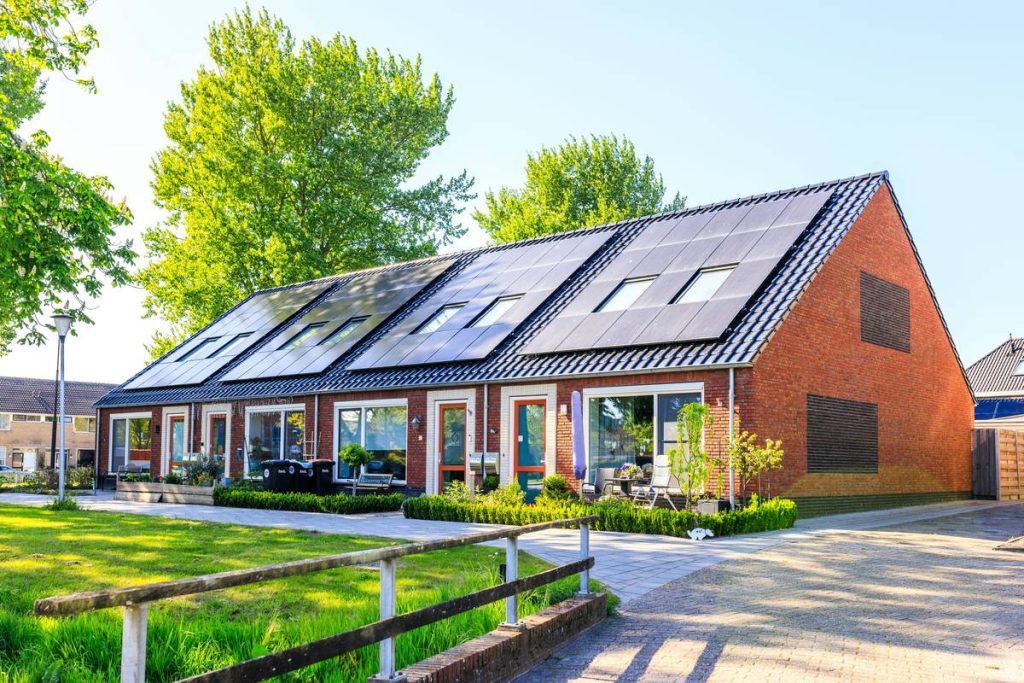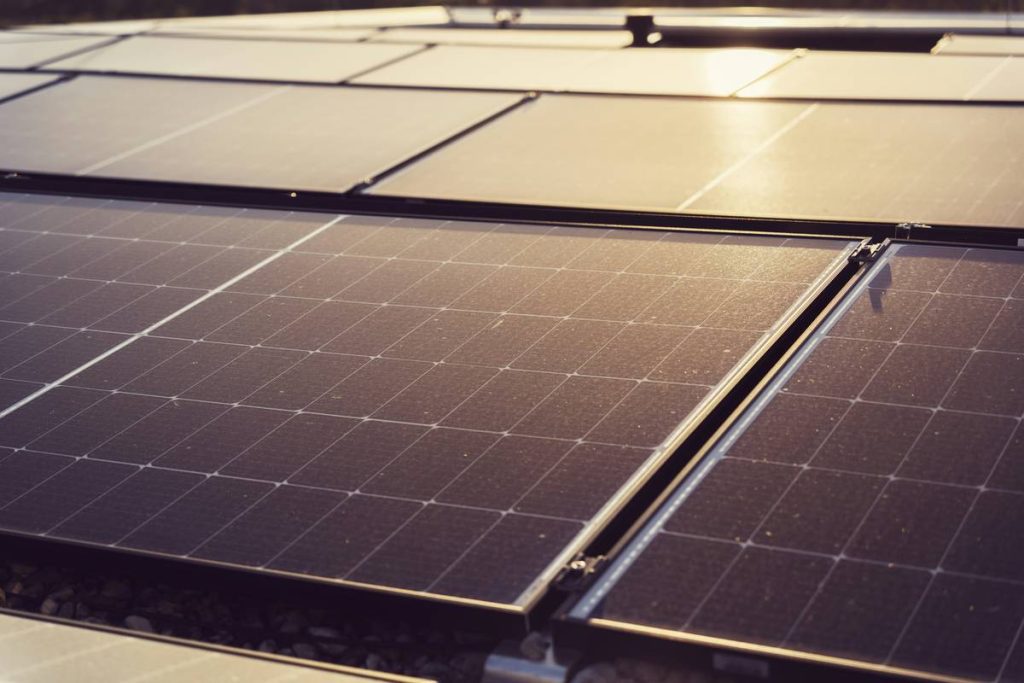
If you’re eyeing solar for your home but feel overwhelmed by panel options, you’re not alone. I once installed monocrystalline panels on a north-facing roof—only to learn too late that orientation trumps even the best tech. That $2,000 mistake taught me that understanding monocrystalline solar panels pros and cons isn’t just helpful—it’s essential before spending a dime.
Table of Contents
- Why This Debate Matters for Homeowners
- How to Evaluate Monocrystalline Panels for Your Home
- 5 Best Practices for Maximizing ROI
- Real Homes, Real Results
- Frequently Asked Questions
Key Takeaways
- Monocrystalline panels offer 20–23% efficiency—the highest among residential solar options.
- They cost 10–20% more upfront than polycrystalline but save long-term in space-constrained homes.
- Heat tolerance is better than older models, but performance still dips above 87°F (30°C).
- Lifespan averages 25–30 years with proper maintenance.
- Recycling infrastructure remains limited—plan end-of-life disposal early.
Why This Debate Matters for Homeowners
In today’s energy-conscious home improvement landscape, solar isn’t just eco-friendly—it’s a strategic investment. But choosing the wrong panel type can drain savings faster than a leaky roof. Monocrystalline panels dominate premium installations for good reason: their single-crystal silicon structure delivers unmatched efficiency. Yet their higher price tag and specific installation needs mean they’re not universally ideal.
How to Evaluate Monocrystalline Panels for Your Home
1. Assess Your Roof Space and Sun Exposure
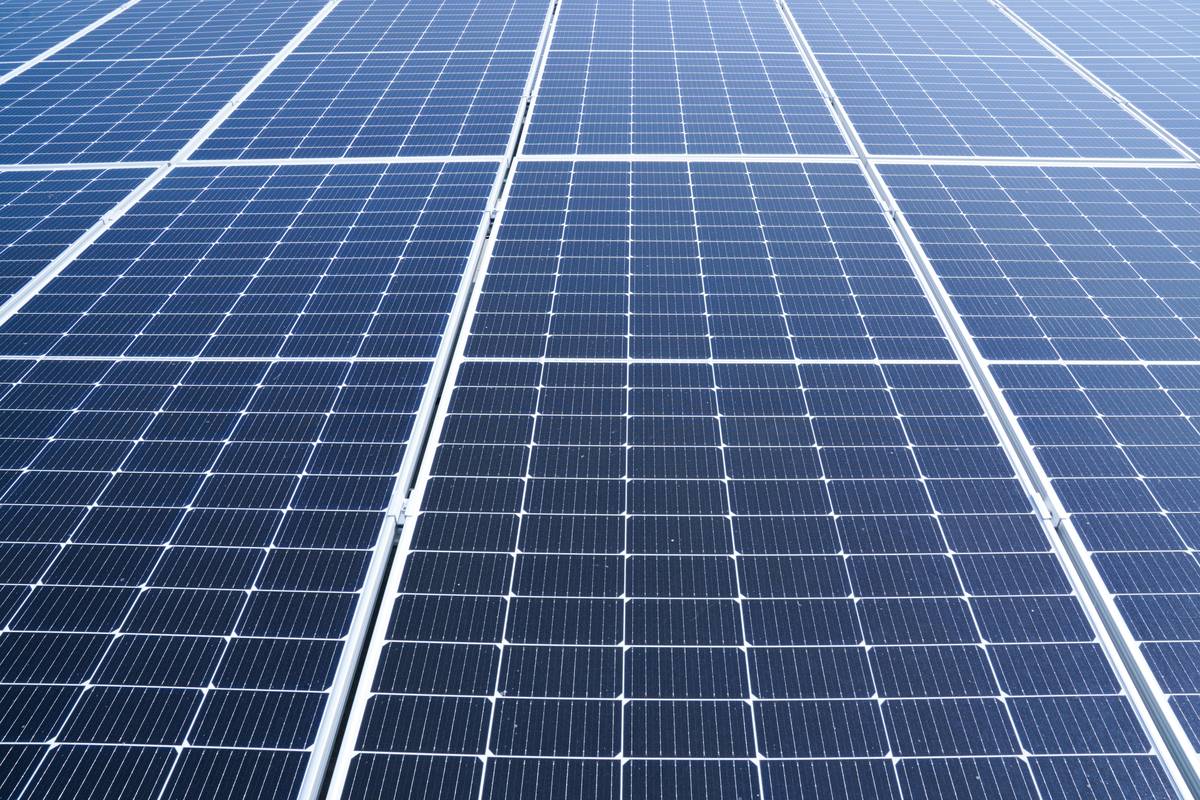
If your roof is small or partially shaded, monocrystalline’s high efficiency (up to 23%) means more power per square foot. Use tools like Google’s Project Sunroof to estimate sunlight hours.
2. Compare Upfront vs. Lifetime Costs
While monocrystalline panels cost $1–$1.50 more per watt than polycrystalline, their longevity often offsets this. Calculate break-even points using the U.S. Department of Energy’s solar calculator.
3. Check Local Incentives and Net Metering Policies
Some utilities offer better buyback rates for high-efficiency systems. Verify with your provider—don’t assume.
4. Verify Installer Credentials
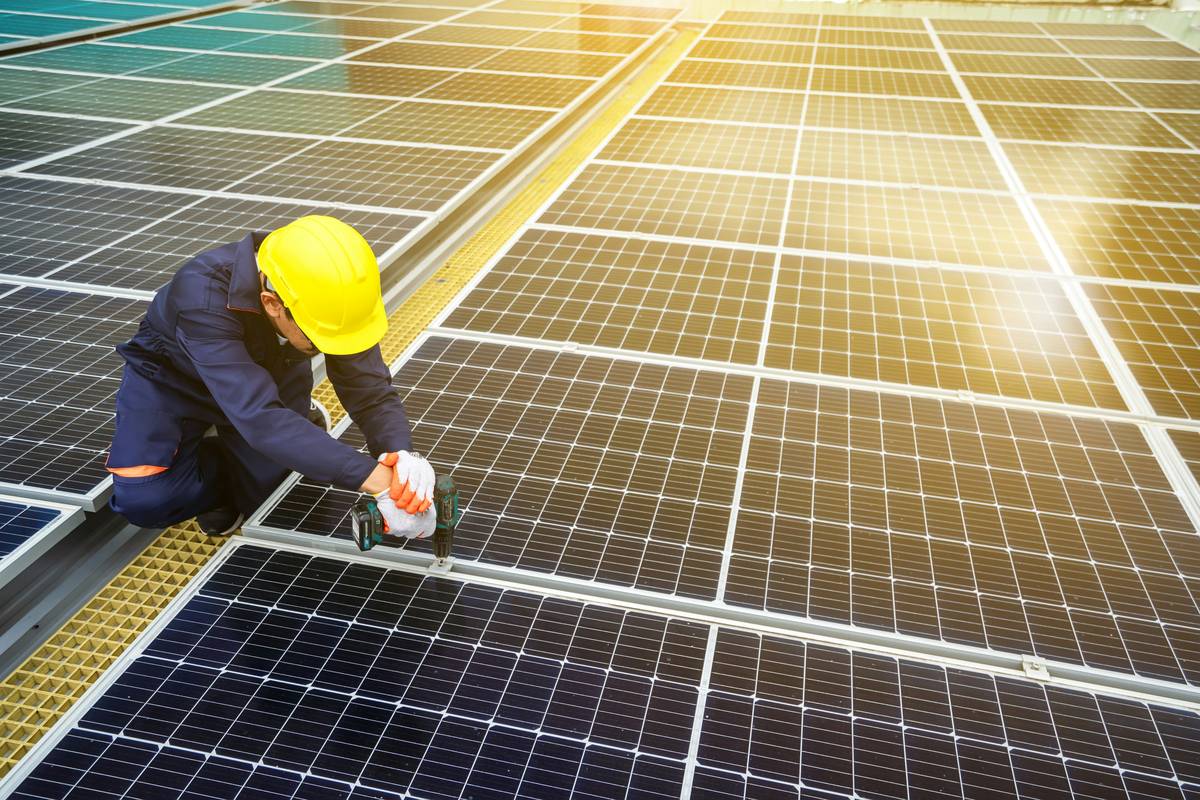
A poorly installed monocrystalline system underperforms regardless of quality. Ensure your installer is NABCEP-certified and references our About Us page for our vetting standards.
5 Best Practices for Maximizing ROI
- Clean panels quarterly: Dust reduces output by up to 7% (per NREL studies).
- Avoid “shade optimizers” as a crutch: They help, but full sun exposure beats any gadget.
- Angle panels at latitude + 15° in winter for optimal seasonal capture.
- Monitor performance via apps: Sudden drops signal wiring or inverter issues.
- Plan for recycling: Monocrystalline panels contain recoverable silver and silicon—but few U.S. facilities accept them. We detail disposal ethics in our Privacy Policy disclosures.
Real Homes, Real Results
The Martinez family in Phoenix installed 12 monocrystalline panels (400W each) on their 600 sq ft south-facing roof. Despite summer temps hitting 110°F, their system averaged 48 kWh/day—covering 92% of their usage. After federal tax credits, payback took 6.2 years. Contrast this with the Reynolds’ rural Texas home: same panels, but partial tree shade cut output by 22%. Their takeaway? “Efficiency means nothing without sun access.” Data aligns with NREL’s efficiency benchmarks, confirming real-world variance hinges on environment, not just hardware.
Frequently Asked Questions
Are monocrystalline solar panels worth the extra cost?
Yes—if you have limited roof space or high electricity rates. Their higher output per sq ft typically delivers faster payback in urban settings.
Do monocrystalline panels work on cloudy days?
They do, but at reduced capacity (10–25% of rated output). Modern inverters maximize diffuse light capture better than older models.
How long do monocrystalline solar panels last?
Most manufacturers guarantee 80–85% output after 25 years. Actual lifespan often exceeds 30 years with maintenance.
Can I recycle old monocrystalline panels?
Technically yes, but infrastructure is sparse. Check SEIA’s recycling directory for certified handlers.
What’s the biggest mistake homeowners make with monocrystalline panels?
Ignoring microclimates. One shaded panel can drag down an entire string. Always conduct a shade analysis first.
Are monocrystalline solar panels pros and cons relevant for off-grid systems?
Absolutely. Their efficiency is critical when battery storage is limited—maximizing daily charge during short winter days.
Still weighing your options? Don’t gamble on assumptions. Contact us for a no-pressure consultation—we’ll match your home’s reality to the right tech, not just the shiniest spec sheet.
Remember: The sun doesn’t sell promises. It just shines. Make sure your panels do the same—efficiently, honestly, and for decades.