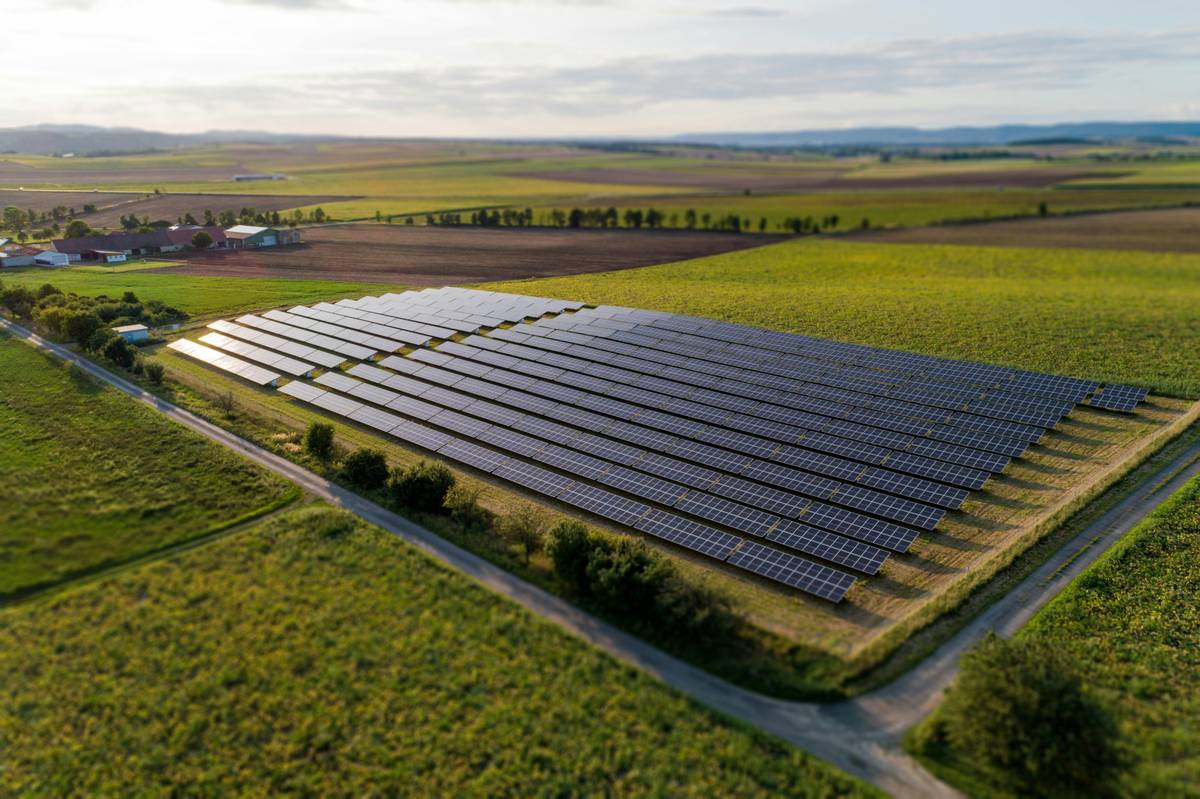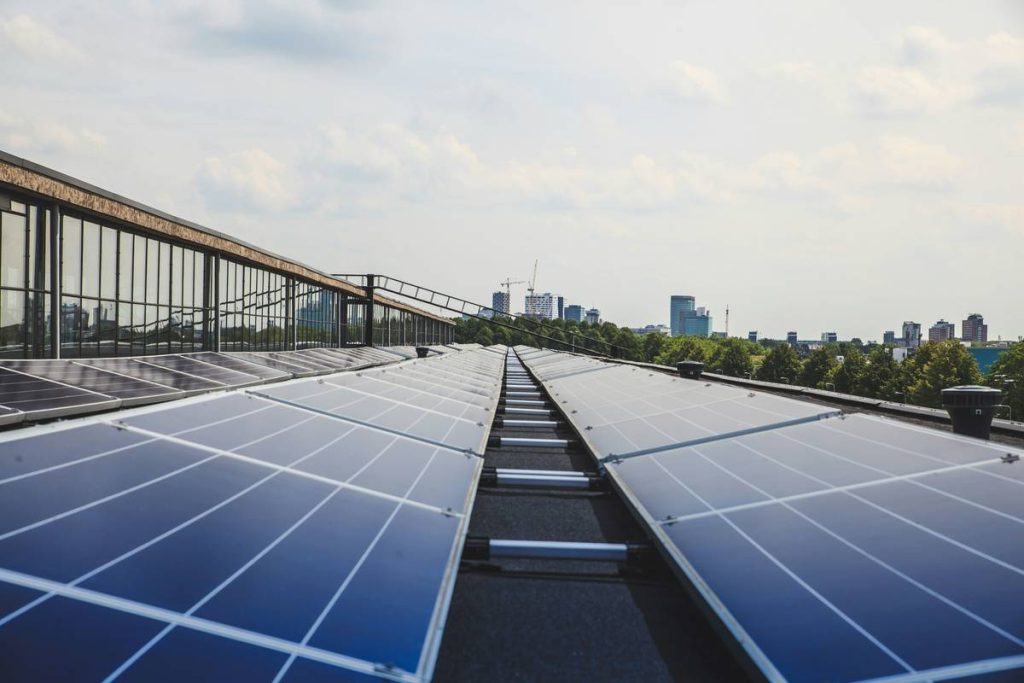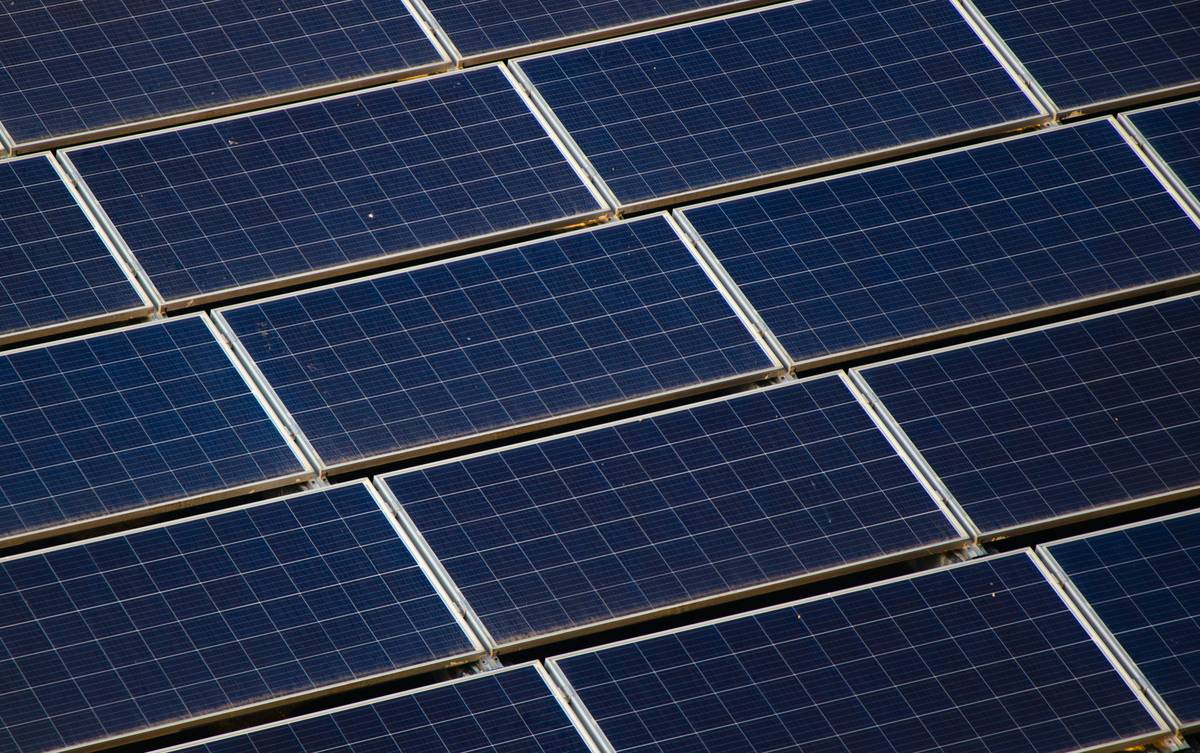
Your electricity bill keeps climbing. Grid reliability feels like a gamble. And every storm knocks out power for days. You’re not alone—and you don’t have to accept it. Monocrystalline solar panels offer a clean, efficient alternative that slashes costs and increases energy independence faster than most homeowners expect.
The Hidden Flaw in Most “Green” Energy Plans
Most DIY solar kits push polycrystalline panels because they’re cheaper upfront. But here’s what installers won’t tell you: efficiency loss in real-world conditions kills long-term savings. Monocrystalline cells—cut from single silicon ingots—deliver 20%+ efficiency even on cloudy days. Poly panels? They slump below 16% by year three.
And heat worsens it. Summer temps can drop poly output by 25%. Monocrystalline handles heat better—thanks to tighter electron pathways in pure silicon. That’s physics, not marketing.
Solar Panels Alternative Energy: Your Step-by-Step Upgrade Path
Assess Your Roof’s True Potential
Forget “south-facing only.” Modern monocrystalline panels work efficiently east or west—with micro-inverters optimizing each panel individually. Use free tools like PVWatts, but add 15% buffer for real-world shading from chimneys or trees.
Choose Tier-1 Monocrystalline Modules—Not Just Any Brand
“Tier-1” isn’t a marketing term—it’s BloombergNEF’s bankability rating. These manufacturers pass rigorous financial and durability tests. Skip no-name brands; their degradation rates hit 1.5%/year vs. Tier-1’s 0.5%.
Pair with Smart Storage (Even If You’re Grid-Tied)
Batteries aren’t just for off-grid cabins anymore. With time-of-use billing rising, store midday solar for evening peak rates. A 10kWh lithium system pays back in 5–7 years in California or Texas.

| Panel Type | Avg. Efficiency | 25-Year Output Warranty | Real-World Degradation/Year | Cost per Watt (Installed) |
|---|---|---|---|---|
| Monocrystalline (Tier-1) | 20–23% | 87–92% | 0.3–0.5% | $2.40–$3.10 |
| Polycrystalline | 15–17% | 80–85% | 0.8–1.2% | $1.90–$2.50 |
| Thin-Film (Amorphous) | 10–13% | 75–80% | 1.0–1.5% | $2.00–$2.80 |
The Industry Secret: Recycled Silicon Is Changing the Game
Here’s what rarely makes press releases: top monocrystalline producers now use up to 30% reclaimed silicon from broken wafers and end-of-life panels. This cuts raw material costs—and carbon footprint—without sacrificing purity. One European manufacturer even publishes millisecond-level crystal alignment data proving recycled ingots perform identically to virgin ones. Ask your installer if their supplier discloses silicon sourcing. If they hesitate, walk away.
Frequently Asked Questions
Are monocrystalline panels worth the extra cost?
Yes—if you have limited roof space or live in a hot climate. Their higher efficiency means fewer panels, lower installation labor, and better summer output. The payback difference shrinks to under 18 months in sun-heavy states.
Can solar panels alternative energy work during blackouts?
Only if paired with batteries or a special inverter. Standard grid-tied systems shut off during outages for safety. Add a Sunlight Backup Relay or similar device to keep critical loads running.
How long do monocrystalline panels really last?
Most produce usable power beyond 30 years. Degradation is slow—about 0.5% per year. After 25 years, you’ll still get ~88% of original output. Frame corrosion or inverter failure usually ends systems before panel decay does.